Best Time to Visit Lake Tahoe: A Season-by-Season Guide
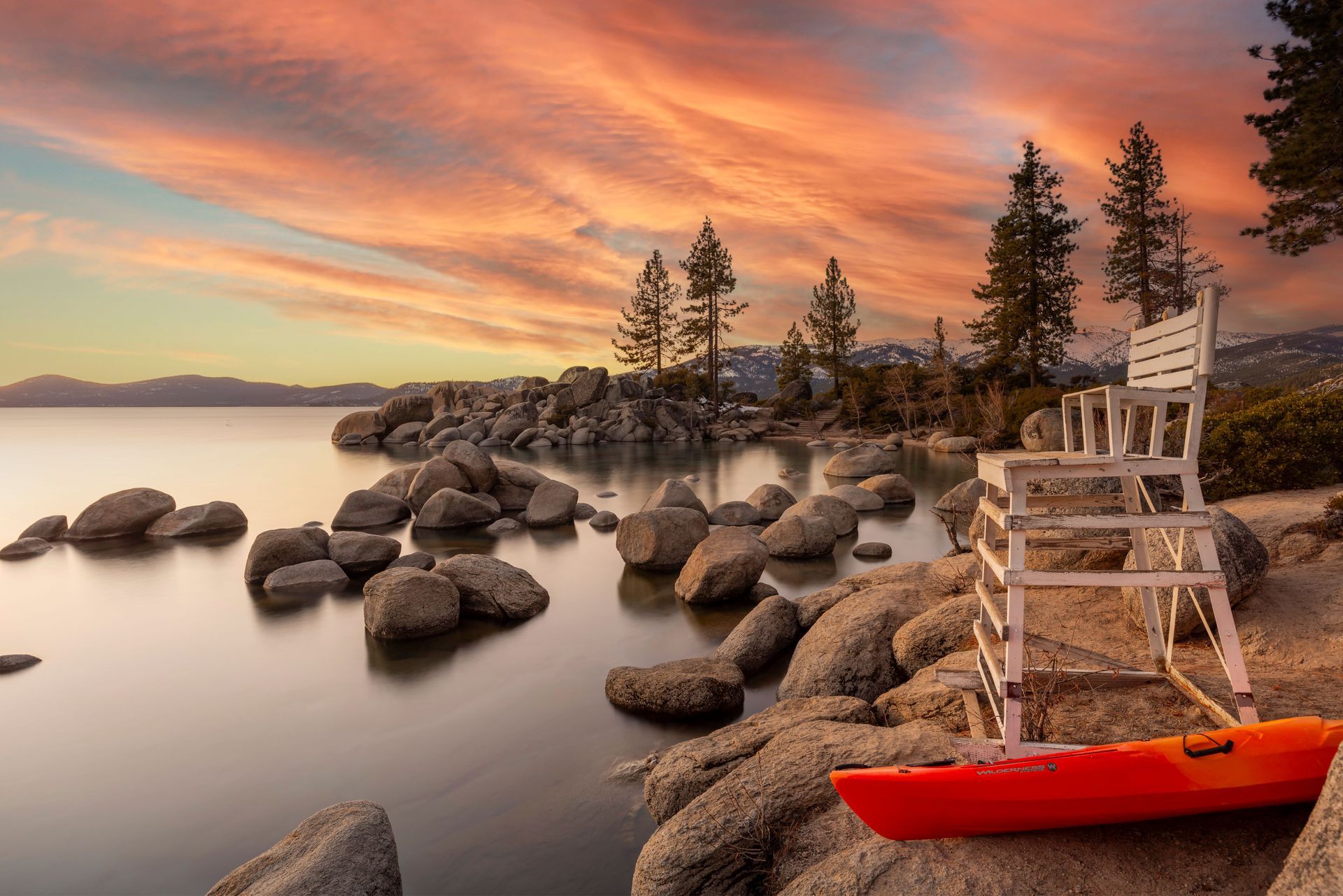
Here's the honest answer: there isn't one. Lake Tahoe is one of the rare destinations that genuinely delivers in every season, and after 20 years, we've seen it at its most electric and at its most peaceful. The real question isn't when to go, it's what kind of trip do you want?
Here's a breakdown of what to expect, season by season.
Summer (June–August): Peak Season, Peak Payoff
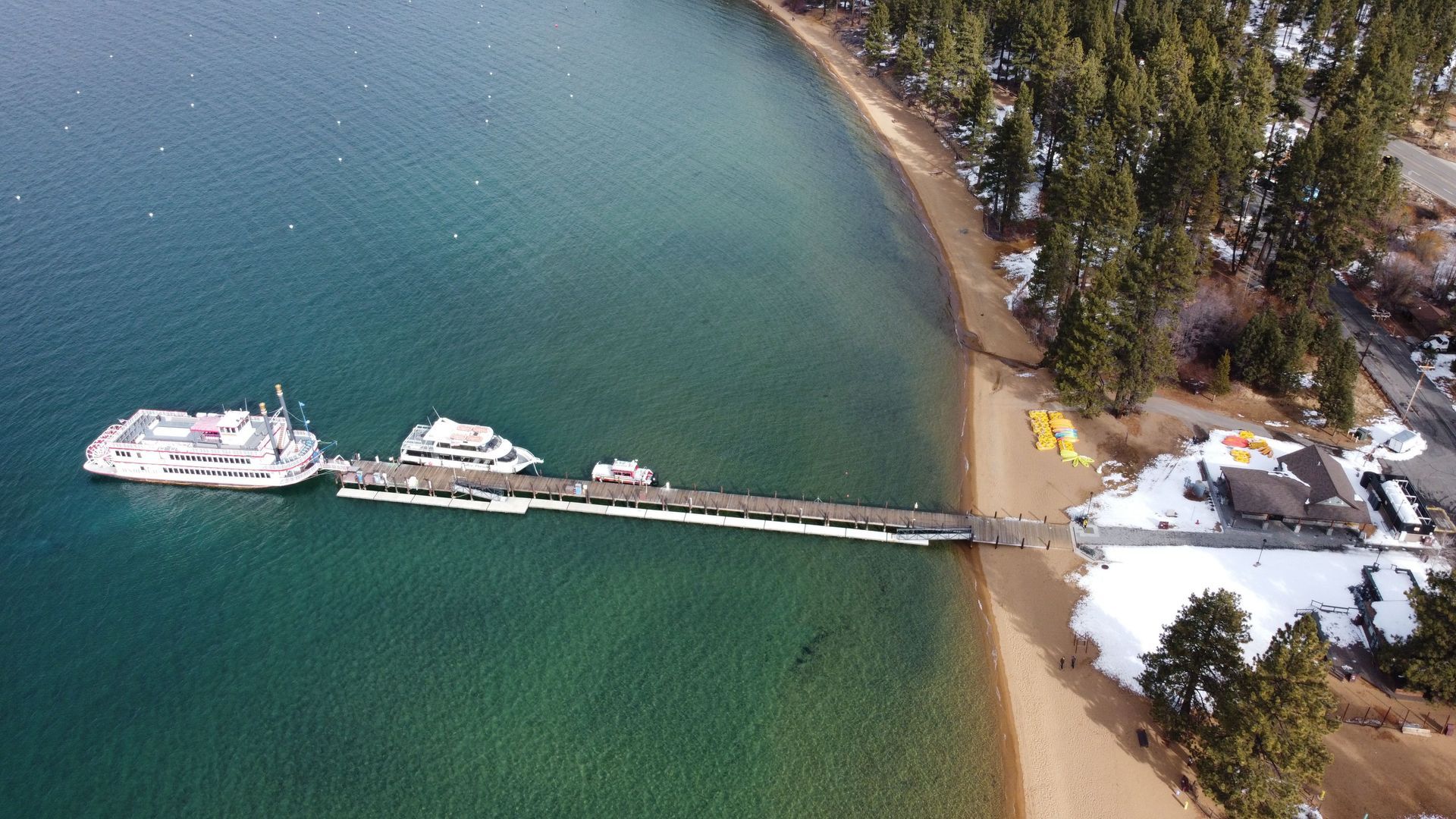
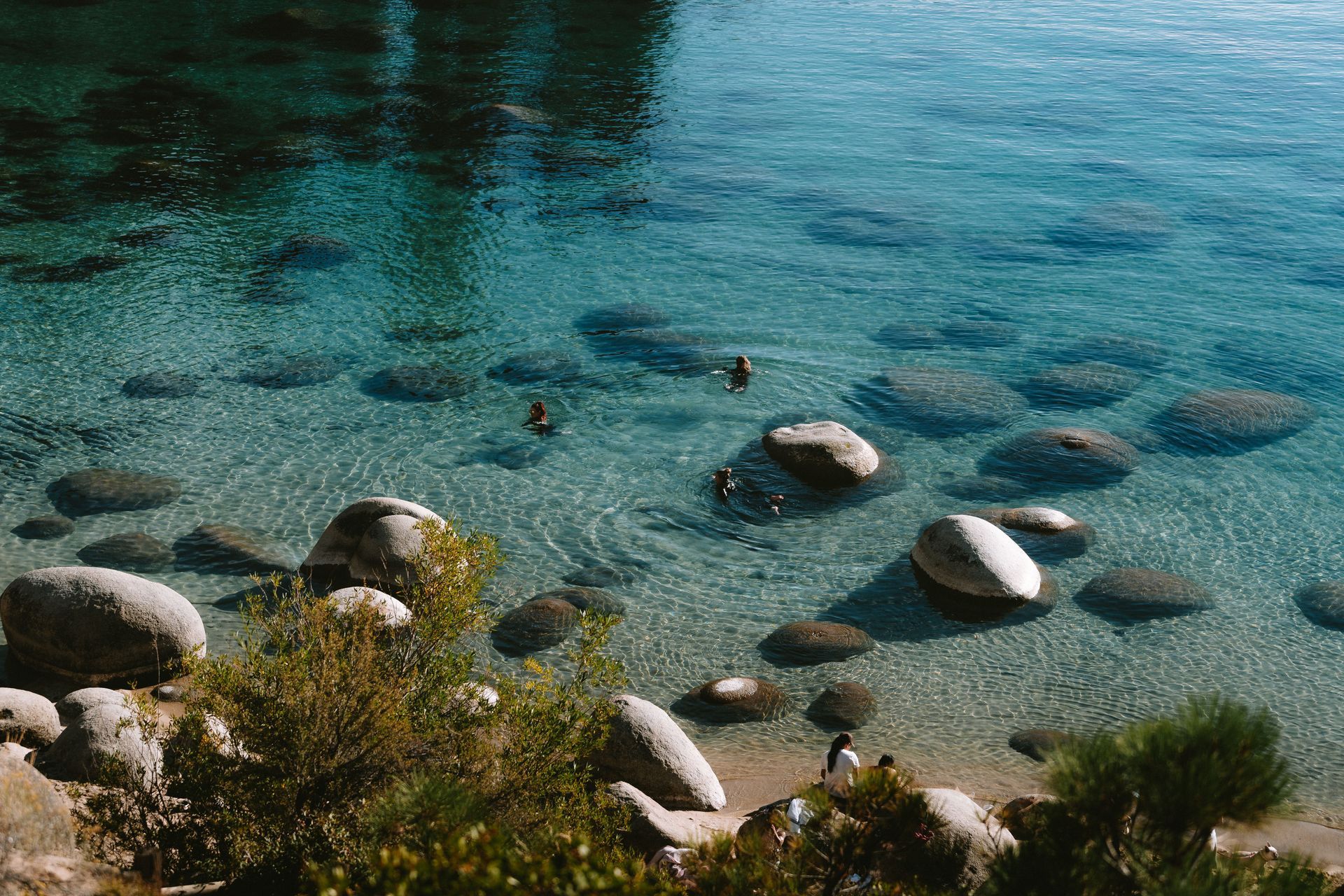
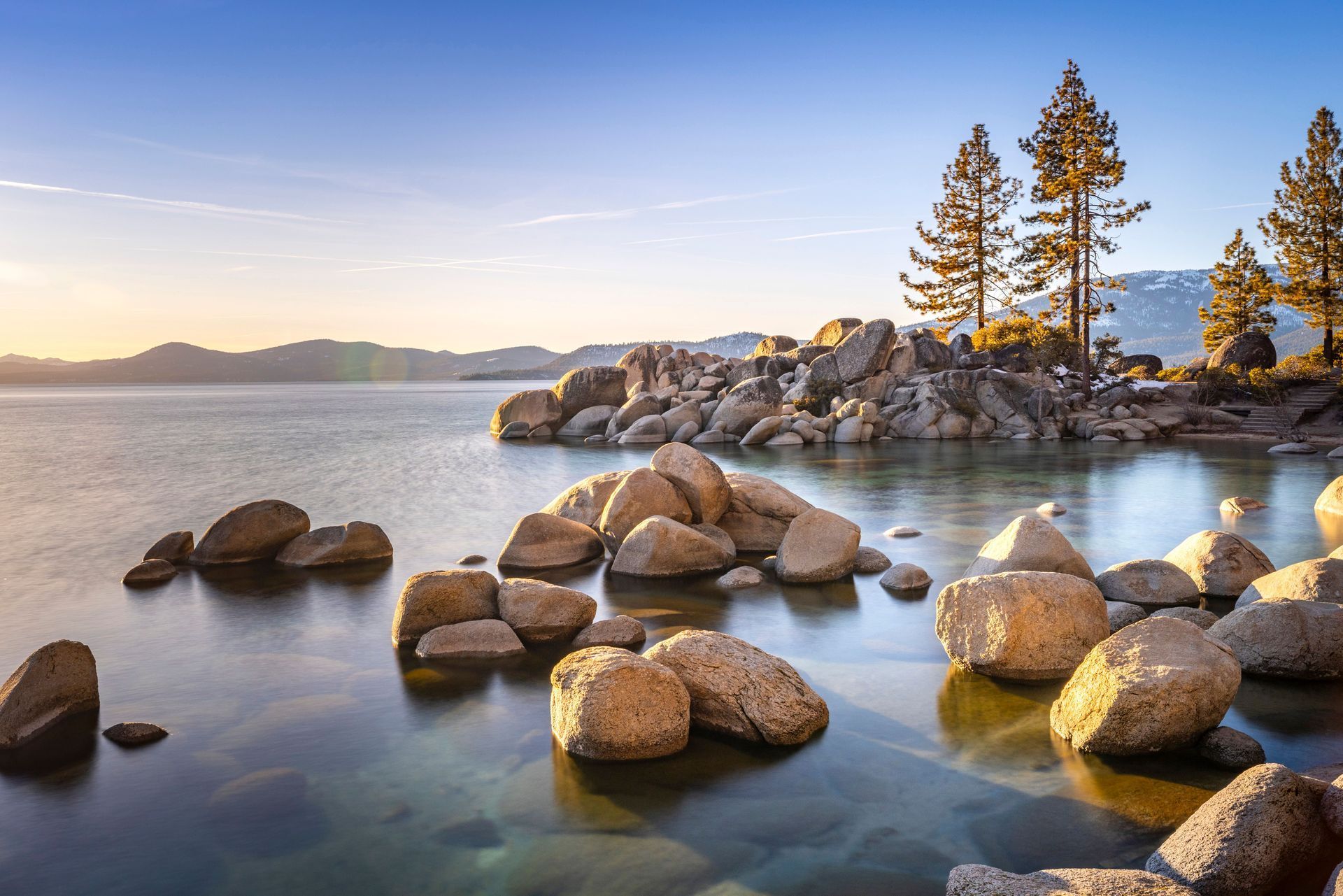
Summer at Lake Tahoe is stunning, full stop. The weather is warm and dry, the lake shimmers in that impossible shade of blue, and essentially everything is open: restaurants, beaches, hiking trails, bike paths, kayak rentals, paddleboard shops, boat tours, you name it. If your goal is to do all the things, summer is your window.
That said, summer comes with a trade-off: crowds. July and August draw massive numbers of visitors, and the weekends can feel overwhelming, especially around the 4th of July, which is genuinely wild. Highway 89 can back up for miles, and if you're staying in Tahoe City, keep in mind there's only one grocery store in town (there's another in Kings Beach and a couple more in Truckee, so plan accordingly).
Most beaches around North Lake Tahoe have plenty of room. Commons Beach in Tahoe City is the exception — it fills up fast on summer weekends. If you want a mellower scene, Skylandia Park and Lake Forest Beach Park almost always have space, and beaches beyond Incline Village like Chimney Beach and Whale Beach offer a more secluded experience for those willing to explore a little.
Our advice: visit during the week when you can, book accommodations and restaurants well in advance, and embrace it for what it is. It's worth it.
Best for: swimming, water sports, hiking, mountain biking, beach days, lakeside dining
Heads up: heavy traffic on weekends and holidays, higher prices, book early
Fall / Shoulder Season (September–October): The Best-Kept Secret
If you ask most locals when they'd most want visitors to come, many would say September. The summer crowds have thinned out considerably, but the weather is still remarkable: warm sunny days, cool crisp evenings, and lake water that's still swimmable well into the month. Average highs sit around 72°F, with the lake holding in the low-to-mid 60s, while the trails are quiet and the beaches are peaceful.
Mountain biking trails remain fully open and rideable until the first snowfall, and hiking is arguably better in the fall: less dust, fewer people, and gorgeous light. By late September and into October, hints of fall color begin to appear in the aspen groves around Hope Valley and along the West Shore, adding a whole different dimension to the landscape.
The flip side: some businesses pull back. Certain smaller shops take full breaks during slow season — the Tahoe City Cakery, for example, sometimes closes for a few weeks entirely — and some rental shops may have reduced hours or transition their inventory toward winter gear. Just check hours of operation before you head out.
Best for: uncrowded beaches, mountain biking, hiking, fall foliage, budget-conscious travel
Heads up: some shops and rental shops may have reduced hours or close seasonally
Winter (December–March): World-Class Mountains
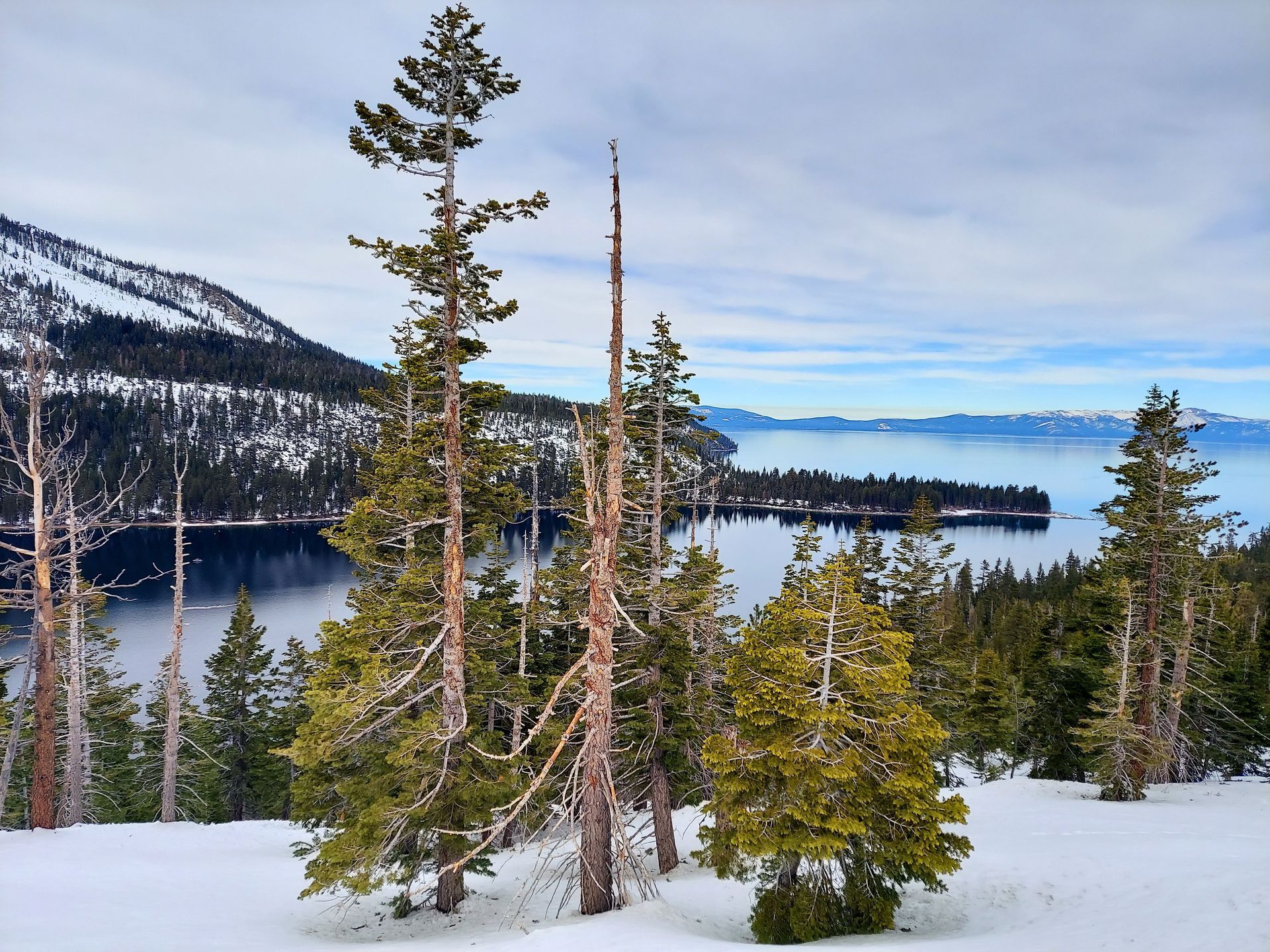
Winter in Tahoe is the real deal. The Sierra Nevada receives some of the heaviest snowfall in North America, and the concentration of ski resorts around the lake basin is unmatched on the West Coast. If you ski or snowboard, this is as good as it gets outside of the Rockies.
The anchor of North Lake Tahoe's winter scene is Palisades Tahoe , the merger of the legendary Squaw Valley and Alpine Meadows into one massive resort.
At over 4,000 skiable acres, it's the largest ski area in California and genuinely world-class. The terrain variety is staggering, and the KT-22 chair is the stuff of legend for advanced skiers and riders. The resort hosted the 1960 Winter Olympics, and that legacy still shows. It can get crowded on weekends after a big storm, so if you can swing a mid-week powder day, take it.
Alpine Meadows , now connected to Palisades via gondola, has its own character: a mellower overall vibe, great terrain for intermediates, and a beautiful mountain setting that feels a little less hectic than the main Palisades side.
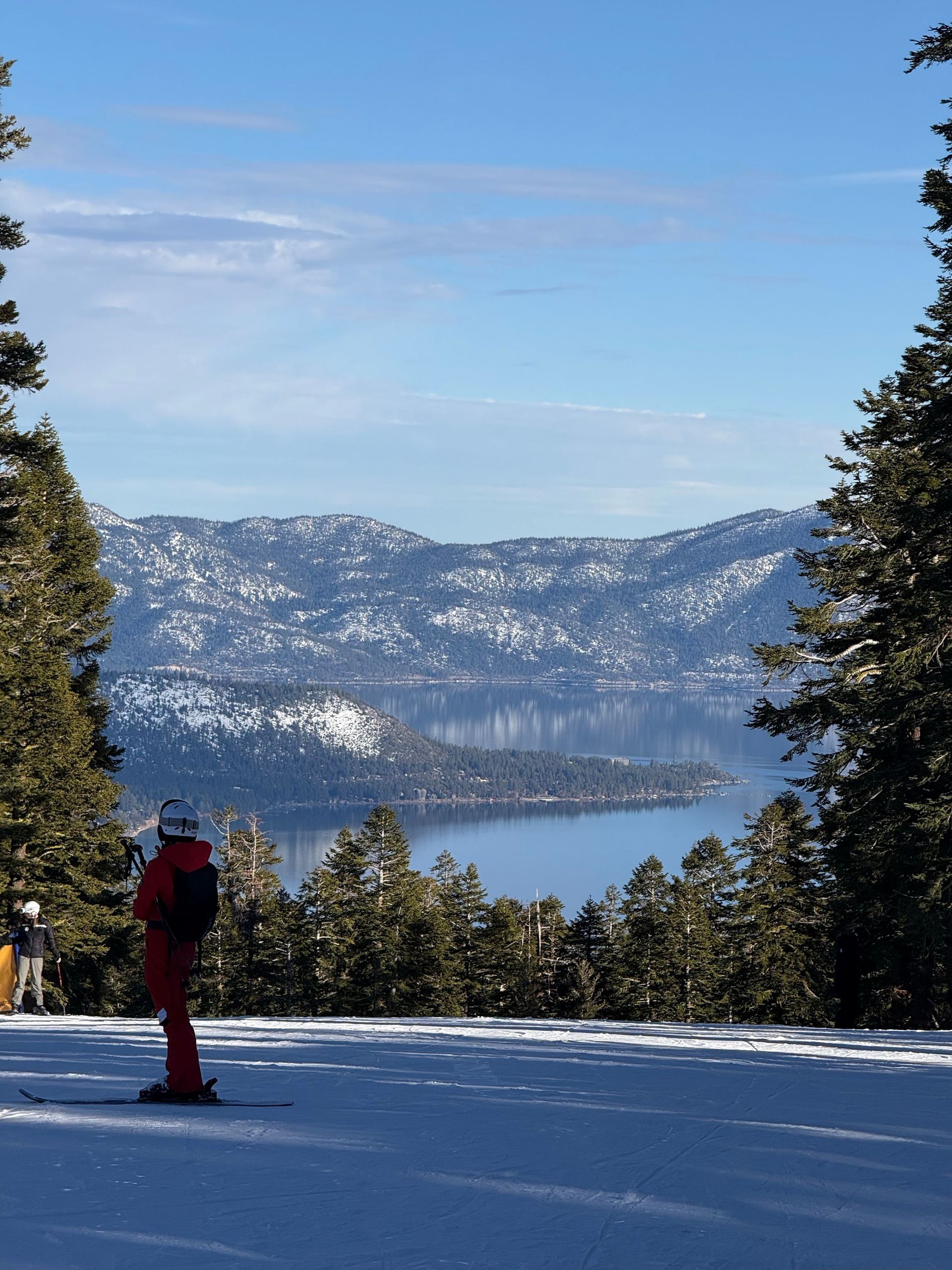
Then there's Diamond Peak , a small, community-owned gem above Incline Village on the Nevada side of the lake. The resort looks directly onto Lake Tahoe, and you can see the water from virtually every run on the mountain. It's not the biggest mountain — 655 acres and 1,840 vertical feet — but what it lacks in size it more than makes up for in charm, views, and an uncrowded experience the bigger resorts simply can't offer.
Beyond skiing, Tahoe in winter means cozy mountain towns, great food and apres ski, snowshoeing, and the kind of scenery that makes you feel like you stumbled into a postcard. Just be prepared: when storms hit, they hit hard. Carry chains, check road conditions before you drive, and expect traffic near the resorts after a fresh dump.
Best for: skiing, snowboarding, snowshoeing, cozy mountain vibes, apres ski
Heads up: storm-related road closures and chain requirements, weekend lift lines, book early for holiday weeks
Spring (April–May): The Wild Card
Spring is Tahoe's most unpredictable season, and also one of its most rewarding if you catch it right. Snow is melting, waterfalls are running strong, and lower elevation trails begin to open, often by mid-April. Higher elevation trails may not clear until June depending on snowpack, but that just means you get a little of everything.
In a big snow year, Palisades often runs well into April, and spring laps on corn snow have their own vibe entirely: sunshine, soft turns, and a beach party energy on the mountain that you don't get mid-winter. Crowds are light and Tahoe takes on a low-key quality that summer visitors never see.
Best for: spring skiing, hiking, wildflowers, waterfalls, value travelers
So, When Should You Go?
| If you want... | Go in... |
|---|---|
| Beach days and a full activity lineup | June–August |
| Uncrowded Tahoe with great weather | September |
| World-class skiing and snowboarding | December–March |
| Spring laps and wildflower hikes | April–May |
| Fall colors and real solitude | October |
The truth is, there's no bad time to visit Lake Tahoe. Every season has a version of this place worth experiencing. The key is knowing what you're signing up for, and packing accordingly.